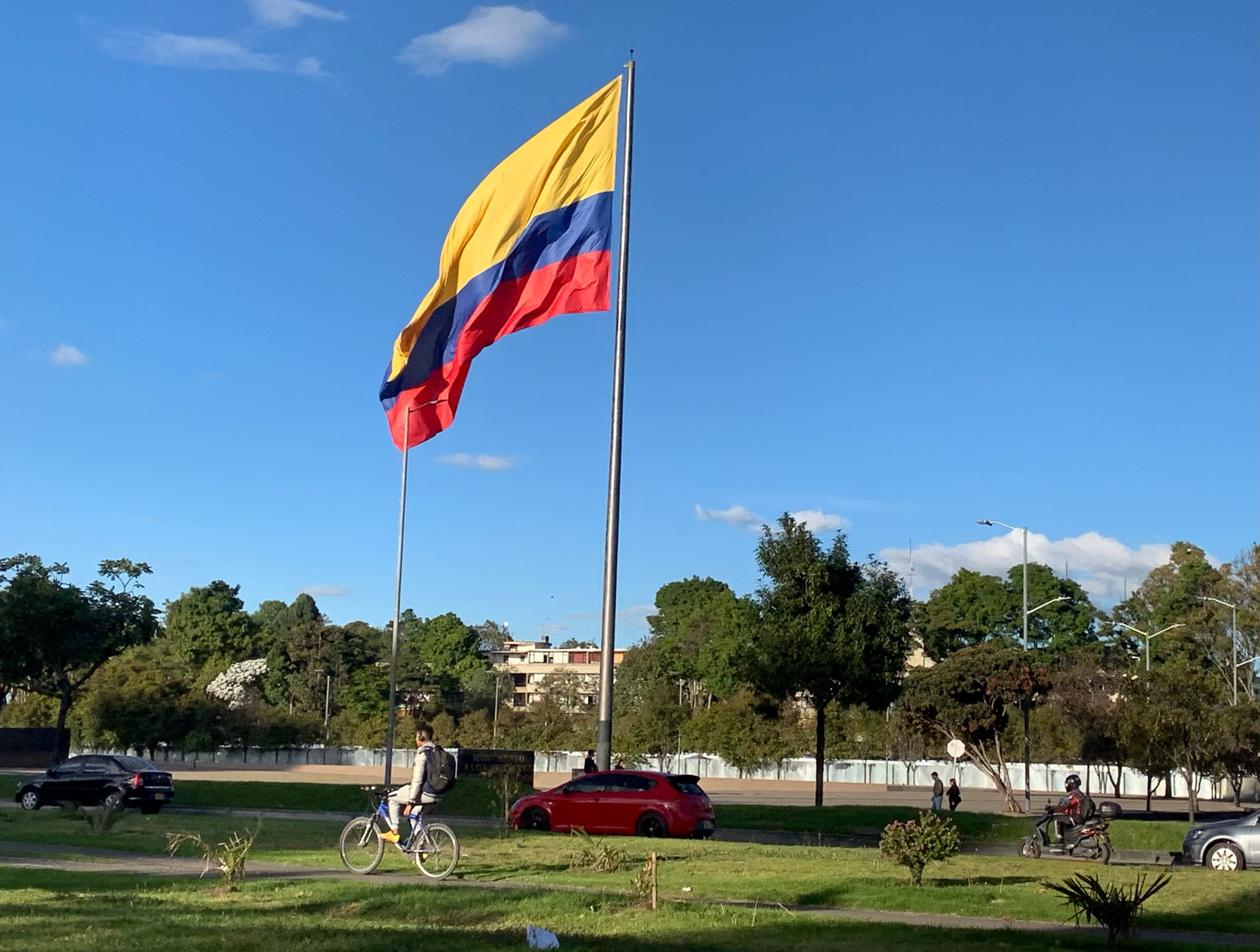
So, you decided to learn Spanish? Maybe after a trip to Colombia you decided you are inspired to learn Colombian Spanish.
If you have decided to learn Spanish, oftentimes the next question you may ask yourself is which Spanish you should you learn? There are many more differences in the Spanish language than just those that exist between Spain and Latin America.
My decision to learn Spanish was influenced by my first trip to Colombia which I wrote about in my Falling in Love with Colombia article. I decided to try and learn Colombian Spanish, partly because it has a reputation of being both beautiful and clear but also because it is a country I love and immensely enjoy visiting.

If you are interested in learning Colombian Spanish, or even if you are just interested in learning Spanish, keep reading for language learning insights based my experience learning Colombian Spanish over the past two and a half years. After you read this article, you can check out my tips on the best way to learn another language for more tips on your language learning journey.
This post may contain affiliate links, which means I’ll receive a commission if you purchase through my links, at no extra cost to you.
At a Glance
Learning Spanish

Once you have decided to learn Spanish, choosing what type of Spanish to learn is commonly the next decision to make. You may be asking yourself if you want to learn Latin American Spanish versus Spain Spanish versus Rioplatense Spanish. However, these are very broad categories. It’s like choosing between England, the United States, or Australian English. Within each of these countries there are not just many more accents, but distinguishing dialects.
As I have set out to learn Spanish, I have begun to appreciate how diverse the language is. Spanish is different not just between regions or between countries but within each country as well.
There are many influences in the evolution of Spanish including those of the indigenous populations that thrived before the Spanish arrived in what is now Latin America. Indigenous languages are one of the many influences on modern Spanish.
While there are many distinguishing factors between and amongst Spanish dialects, two such factors are accents and slang, or jerga.
As I have traveled to Spanish speaking countries during my language learning process, it has been noted multiple times that I have a Colombian accent. Of course I have a strong accent from my native language, but I also have picked up on subtleties of Colombian Spanish that is apparent to native speakers from other countries.
Also in my travels, I have learned and appreciate the pride that native speakers have for their specific Spanish accent. My friend from Cuba, for example, said she wanted me to learn “Cuban” because “we sing,” she said. Indeed the reputation of Caribbean Spanish is that it is like hearing a song.
Many people note that Colombian Spanish is not only beautiful but clear and crisp. I decided I wanted to learn Colombian Spanish largely because Colombia was the first Spanish speaking country I had ever visited, and I liked the way they spoke. I also intend to continue visiting Colombia and would love to learn the nuances, slang, and their general accent, although their accent does also vary greatly depending on the part of the country.
Learn Colombian Spanish in Colombia

As a Spanish language learner, I was happy to discover that language schools for adult learners exist. So far, I have had the opportunity to join several days of classes in both Bogotá, Colombia and Mexico City, Mexico.
After only 5 days of classes, I noticed significant improvements in my ability to understand and communicate in Spanish.
In Bogotá, I attended the Learn More than Spanish school. I had 5 days available and 4 hours of class each day. If you want to learn Colombian Spanish, I highly recommend Learn More than Spanish. I opted to take my classes to the streets where I was able to simultaneously engage in immersive language learning while experiencing the city and learning about its history, architecture, and cuisine.
As I wrote in the best way to learn a language article, language input is a key determinant in one’s ability to quickly learn another language. As I stated in that article, the more, and more consistent, input, the quicker the learning process. Signing up for language classes in a Spanish speaking country is a highly effective way to learn Spanish quickly.
How to Learn Colombian Spanish Online with italki
As I have noted before, I started studying Spanish using Duolingo. When I realized I was not making significant progress despite the amount of time I was investing, I decided to take a different approach. Just before I left for my first trip to Argentina I learned of an online language learning platform called italki where you could connect live with a native speaker via zoom or some other video conferencing platform.
My trip to Argentina confirmed that despite months of daily Duolingo use, the knowledge I gained did very little to help me understand or communicate in Spanish.
The night I returned from my trip to Argentina, I found my teacher on the italki platform, signed up for a trial class, and soon after my language learning progress grew exponentially. This same teacher is still my teacher today.
How italki works
italki is an online language learning platform that connects you with live, native speakers. When I signed up, I was able to search for the perfect teacher using the helpful filters, starting with selecting Spanish as the language I intended to learn.
I further filtered my search based on country, native proficiency, and certified teacher status. Using these search parameters, I was able to watch video introductions from the teachers and check their schedule availability. Because I work full time, I wanted to have class options before work and on weekends.
With very little search time, I found the best teacher I could have asked for. I knew from both the video introduction and her schedule availability that she would be a great fit. More than two years later, she is still my teacher and we have even traveled together in both Colombia and Iceland. Although she is my teacher, she has really become a friend.
Conclusion

Once you decide to learn Spanish, you will want to choose what type of Spanish you want to learn. While there are many factors that can and should help you decide what Spanish to learn, if you still don’t know, I might suggest you learn Colombian Spanish.
If you have the time to spend in Colombia, immersing yourself in the country, culture, and language is the best and fastest way to learn.
If, however, you aren’t able to move to Colombia, nor visit for an extended period of time, I can’t recommend italki enough as an affordable, flexible, authentic way to learn Colombian Spanish, or whichever Spanish, or whichever language, you decide to learn.
What Spanish did you choose to learn?
Have you learned, or are you currently learning Spanish? What Spanish did you choose to learn? Did you choose to learn Colombian Spanish?
What language differences have you observed between and among Spanish speaking countries?
Share your thoughts in the comments below!





Leave a Reply